
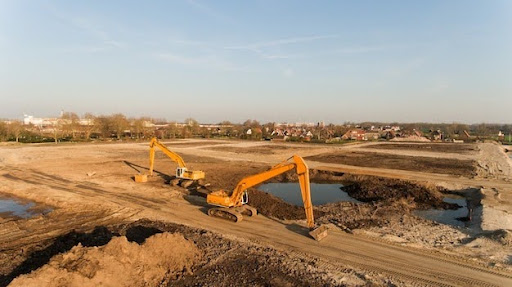
Soil compaction is an essential process in construction because it improves ground stability and helps reduce settlement beneath roads, foundations, and other structures. Understanding soil compaction standards allows contractors to meet project specifications and maintain consistent quality. These standards define how soil is tested, how much density is required, and how moisture conditions affect results. Proper planning and testing help create a stable base for long-lasting construction.
1. Understand the Purpose of Soil Compaction
The main purpose of soil compaction is to reduce air spaces between soil particles by applying mechanical force. Properly compacted soil can provide improved strength, stability, and resistance to settlement.
On construction sites, soil compaction is especially important beneath building foundations, road surfaces, parking areas, and embankments. The required level depends on soil characteristics, expected loads, and the project’s engineering specifications.
2. Learn About Standard and Modified Proctor Tests
The Proctor test helps determine the relationship between soil moisture content and dry density.
ASTM D698 describes the Standard Proctor test, while ASTM D1557 covers the Modified Proctor test, which applies greater compactive energy. Both methods help establish maximum dry density and optimum moisture content.
3. Check Required Compaction Percentages
Construction specifications often express compaction as a percentage of the maximum dry density obtained in a laboratory test.
For example, a requirement of 95% means the field dry density must reach at least 95% of the specified laboratory reference value. However, the required percentage varies by project, soil type, and governing specification.
4. Control Soil Moisture Content
Moisture content directly affects how effectively soil particles can be compacted. Soil that is too dry may resist compaction, while excessively wet soil may become unstable or fail to achieve the required density.
Laboratory testing identifies the optimum moisture content for a particular soil and compaction method. During construction, contractors may add water or allow drying to bring the material within the project’s approved moisture range.
5. Use Appropriate Equipment and Testing Methods
Different soils and construction areas require suitable compaction equipment. Smooth-drum rollers often work well with granular materials, while padfoot rollers are commonly used for cohesive soils.
Vibratory plates and rammers can be useful in confined spaces. Field density and moisture tests then verify whether the compacted layer meets the specified requirements.
6. Maintain Quality Control and Documentation
Consistent quality control helps ensure that each compacted layer meets project requirements before additional material is placed. Inspectors should review laboratory reports, moisture readings, field density results, and equipment procedures.
If a test fails, the affected area may need moisture adjustment, additional compaction, or further investigation before retesting. Accurate records help contractors demonstrate compliance and identify recurring problems during construction.
Final Thoughts
Understanding soil compaction standards is essential for building stable foundations, durable roads, and reliable earthworks. Contractors should identify the applicable testing method, follow approved density and moisture requirements, use suitable equipment, and verify results through field testing. Because standards vary across projects and jurisdictions, teams should follow the geotechnical report, contract documents, and relevant local requirements.
